
Fire Retardant Insulation
Vital for Home Safety & Critical for Commercial Code Compliance
01
Ideal Situations for Fire Retardant Insulation
Fire retardant insulation is ideal for any building where enhanced safety is a priority. It’s commonly used in multi-family housing, commercial buildings, and older properties being brought up to code. It's also essential in areas surrounding electrical or mechanical systems.
02
Best used in:
-
Multi-unit residential and apartment buildings
-
Homes with fireplaces or wood-burning stoves
-
Commercial kitchens or mechanical rooms
-
Areas near electrical panels or HVAC units
03
Who Benefits Most
This insulation benefits anyone looking to improve fire safety and meet building regulations. It’s especially useful for homeowners, landlords, commercial property owners, and construction teams responsible for code-compliant builds or renovations.
04
Ideal reason for Fire Retardent:
-
Property managers ensuring code compliance
-
Homeowners increasing safety and peace of mind
-
Contractors building to fire safety standards
-
Investors renovating older buildings
Fire Retardant Insulation
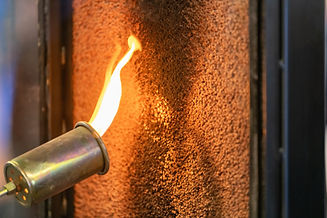
Fire retardant insulation is specially treated to slow down the spread of flames and reduce smoke production during a fire. It's commonly used in both residential and commercial construction to improve fire safety and meet building codes. Materials like mineral wool, fiberglass, and specially coated spray foams are often selected for their ability to resist ignition and high heat. This type of insulation plays a crucial role in protecting lives and property by delaying fire damage and providing valuable escape time during emergencies.
Why It’s Critical: Fire Safety Benefits That Matter
Enhanced Fire Safety
Slows down flame spread and reduces the risk of structural collapse by resisting ignition.
Structural Protection
Helps preserve critical building elements longer during a fire, reducing repair costs.
Smoke Reduction
Limits smoke development, improving visibility and reducing inhalation hazards during a fire.

The Process
Installing fire retardant insulation begins with identifying areas of the building where added fire protection is required, such as walls, ceilings, attics, or mechanical spaces. Technicians choose the most suitable material based on building codes and fire rating requirements. Insulation is then installed using batts, boards, or spray application depending on the space. Additional fireproof coatings or wraps may be applied around structural elements or HVAC systems for added protection.
Installation Steps:
-
Assessment – Identify fire-prone areas and evaluate material needs.
-
Material Selection – Choose fire-rated insulation (e.g., mineral wool, treated spray foam).
-
Installation – Apply batts, boards, or spray foam to designated areas.
-
Optional Coating – Add fire-resistant paint or wraps to key structures if needed.